
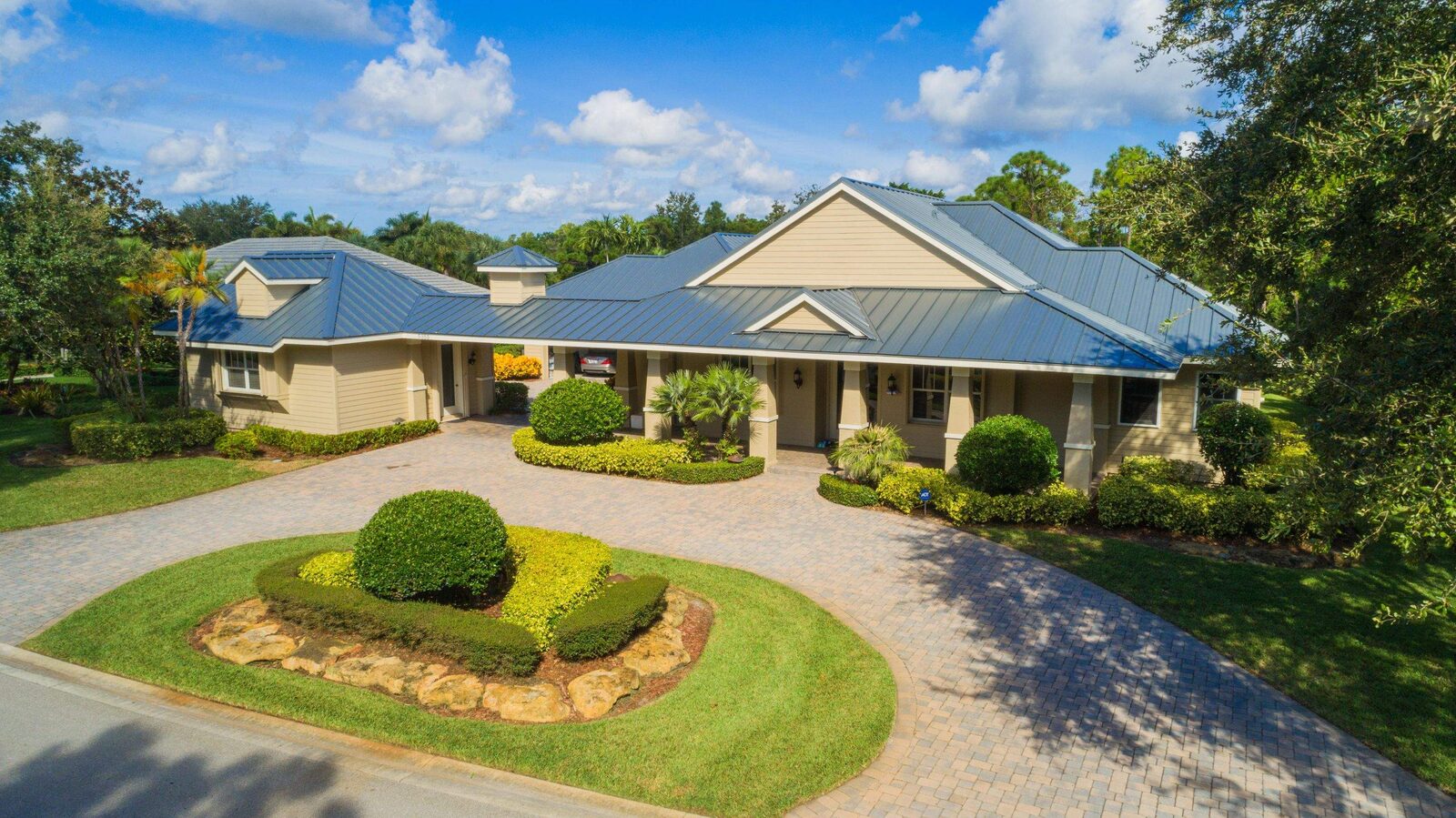
Climate & Weather in North Carolina
North Carolina spans three distinct climate/wind zones that matter for roofing decisions: (1) the Coastal Plain and Outer Banks, exposed to Atlantic hurricanes, tropical storms, and salt-laden air, with the highest wind design speeds in the state; (2) the Piedmont (Raleigh-Durham, Charlotte, Greensboro), a humid subtropical zone with severe thunderstorms, large hail, tornadoes (NC sits at the edge of "Dixie Alley"), high summer UV/heat, and heavy afternoon storms; and (3) the Western mountains/Blue Ridge (Asheville, Boone), with cooler temperatures, heavier winter snow/ice loads, freeze-thaw cycling, and localized wildfire/WUI risk in dry forested terrain, exacerbated by events like Hurricane Helene's 2024 remnant flooding and wind damage. Statewide, hurricane landfalls and remnant tropical systems (e.g., Florence 2018, Dorian 2019, Helene 2024) are the top peril driving roofing decisions, followed by hail/severe convective storms in the Piedmont and heavy rain/humidity statewide that stresses asphalt shingles.
Weather Perils to Plan For
Hurricane / tropical storm wind
Coastal counties east of the Intracoastal Waterway and Outer Banks see the state's highest design wind speeds; NC is hit by landfalling or remnant tropical systems most years. The NC Insurance Underwriting Association (NCIUA) runs 'Strengthen Your Roof' and 'Strengthen Your Coastal Roof' grant programs (up to $10,000) for IBHS FORTIFIED Roof upgrades in 18 coastal counties (Beaufort, Brunswick, Camden, Carteret, Chowan, Craven, Currituck, Dare, Hyde, Jones, New Hanover, Onslow, Pamlico, Pasquotank, Pender, Perquimans, Tyrrell, Washington) plus barrier islands/Outer Banks, citing improved performance in Hurricanes Dorian, Michael, Sally, and Ida.
Hail / severe convective storms
Piedmont and foothills counties see frequent spring/summer hail events; metal roofing's Class 4 impact resistance is a key selling point versus asphalt shingles that bruise/crack.
Tornado
NC, especially the Piedmont and southeastern coastal plain, has meaningful tornado frequency (part of the broader Southeast tornado corridor); wind-rated, mechanically-seamed standing seam performs far better than shingles or exposed-fastener panels.
Heavy snow / ice load
Western mountains (Asheville, Boone, Blue Ridge) get meaningful annual snowfall and ice storms; metal's slick surface sheds snow/ice, reducing load and enabling snow-guard-equipped standing seam systems.
Wildfire / WUI
Localized risk in the dry, forested western mountains during drought years; metal roofing carries Class A fire ratings, an advantage for WUI-adjacent construction, though NC's WUI exposure is far lower than the western US.
High UV / heat
Long, hot, humid summers across the Piedmont and coastal plain accelerate asphalt shingle granule loss and curling; reflective 'cool roof' metal coatings (Kynar 500/PVDF, ENERGY STAR-rated colors) reduce attic heat gain and cooling costs.
Coastal salt air / corrosion
Outer Banks and immediate coastal strip require corrosion-resistant substrates (aluminum or Galvalume with heavier coatings) since bare/standard galvanized steel corrodes faster in salt spray environments.
Recommended Metal Roof Types
Standing seam (mechanically seamed, concealed-fastener) steel or aluminum
Best wind uplift performance for coastal/hurricane exposure and the FORTIFIED Roof-eligible construction the NCIUA grant programs target; also sheds snow/ice well in the mountains and is the preferred premium choice statewide.
Aluminum standing seam
Naturally corrosion-resistant, recommended over bare steel for the immediate coastal strip/Outer Banks salt-air exposure.
Stone-coated steel shingle/tile panels
Popular for matching traditional/coastal and historic-district aesthetics (shake, slate, tile look) while retaining Class A fire and high impact resistance.
Exposed-fastener corrugated/ribbed steel (26-29 gauge)
Lower-cost option common on rural, agricultural, and budget re-roofs; adequate for inland/Piedmont wind zones but not preferred in high hurricane wind zones versus standing seam.
Building Code, Wind & Fire
| Building Code Notes | NC uses its own state-amended NC Residential Code (based on the IRC) with ASCE 7 wind speed maps that step up substantially from inland Piedmont (~100-115 mph ultimate design wind speed) to the coast and Outer Banks (~140-160+ mph), placing coastal NC among the highest wind-design zones on the East Coast. High-wind coastal jurisdictions typically require roof coverings with tested uplift ratings and enhanced fastening/sealed-deck detailing; consult the current NC Residential Code wind speed maps and local building department for the exact design speed and required roof-covering wind-uplift class for any specific project address, as this varies by county/exposure category. |
|---|---|
| Wind Requirements | North Carolina's residential building code (NC Residential Code, based on the IRC/ASCE 7 wind maps) sets ultimate design wind speeds that increase sharply toward the coast: inland Piedmont areas generally fall around 100-115 mph, while the immediate coast and Outer Banks (Dare, Currituck, Hyde, Carteret) reach 140-160+ mph ultimate design wind speed zones, among the highest in the continental US. Roof coverings in these high-wind coastal zones must meet enhanced uplift/attachment testing (e.g., UL 580/1897, ASTM wind-uplift standards), and mechanically-seamed standing seam systems with engineered clip spacing are typically specified to meet code in coastal high-wind zones. The NCIUA's FORTIFIED Roof grant programs (Strengthen Your Roof / Strengthen Your Coastal Roof) formalize sealed-roof-deck and enhanced-attachment upgrades for the 18 designated coastal counties. |
| Fire Requirements | Metal roofing systems are inherently Class A fire-rated (the highest rating under ASTM E108/UL 790), which exceeds NC building code minimums statewide; this is most relevant in the western WUI-adjacent mountain counties where wildfire risk is elevated relative to the rest of the state, and is a differentiator marketers can use versus wood-shake or lower-class asphalt products. |
Insurance & Adoption
Typical Installed Cost
Typical NC installed costs run roughly $9-$14/sq ft for exposed-fastener corrugated/ribbed panel systems, $12-$22/sq ft for standing seam steel, and $12-$25+/sq ft for aluminum standing seam or stone-coated steel shingle systems, with premium coastal-rated (FORTIFIED-compliant, sealed-deck, heavier-gauge) standing seam installations trending toward the higher end of these ranges.
Popular Metal Roof Colors in North Carolina
- Charcoal / matte black
- Slate gray
- Colonial red (coastal/Lowcountry aesthetic)
- Bronze / dark brown
- Weathered/galvalume silver
- Forest green (mountain homes)
- Cool-roof white/light colors for energy efficiency in Piedmont/coastal heat
Common Home Styles
- Traditional/Colonial and Farmhouse (Piedmont suburbs, Charlotte/Raleigh exurbs)
- Craftsman and Bungalow (Asheville, older streetcar neighborhoods)
- Coastal/Lowcountry raised and piling homes (Outer Banks, Wilmington, beach towns)
- Ranch and split-level (statewide, mid-century subdivisions)
- New-construction production homes with mixed metal-accent + asphalt roofs (fast-growing Charlotte/Raleigh/Triangle metros)
- Mountain/rustic cabin and A-frame (Blue Ridge, Boone, Asheville)
- Historic Georgian/Federal in-town homes (New Bern, Wilmington, Raleigh historic districts)
Metro Areas We Serve in North Carolina
Asheville
Buncombe, Henderson, Haywood
Charlotte-Concord-Gastonia
Mecklenburg, Union, Cabarrus
Durham / Chapel Hill
Durham County, Orange County, Chatham County
Fayetteville
Cumberland County, Hoke County, Harnett County (adjacent, Fort Bragg cantonment area / Combined Statistical Area)
Greensboro-High Point
Guilford County, Randolph County, Rockingham County
Hickory (Hickory–Lenoir–Morganton MSA)
Catawba County, Burke County, Caldwell County
Outer Banks / Coastal NC
Currituck County, Dare County, Hyde County
Raleigh (Raleigh-Cary MSA)
Wake County, Franklin County, Johnston County
Wilmington
New Hanover County, Brunswick County, Pender County
Winston-Salem
Forsyth County, Davidson County, Davie County
Get a Free Metal Roofing Estimate in North Carolina
Tell us about your project and a certified Sherwin MetalVue professional in your area will follow up with a free, no-obligation estimate.
Sherwin-Williams is not liable for the conduct, performance, or workmanship of any contractor.